
Plant Anatomy: Permanent Tissues and Parenchyma (Part 3)
Explore “Permanent Tissues and Parenchyma” in this Plant Anatomy lesson. Part 3 of the five-part series brings together the source material and lesson topics. Use the contents links to find a section, read the notes, and consult the complete original teaching slides below.
Lesson topics
- Permanent Tissue
- Simple Permanent Tissues
- Parenchyma
Contents
REQUEST THE COMPLETE DOCUMENT ON WHATSAPP
Read the original source document
Plant Anatomy – Part 1 (English): original teaching slides for this study series.
Permanent Tissue
Permanent Tissue The Permanent tissues develop from apical meristem. They lose the power of cell division either permanently or temporarily. They are classified into two types: Simple permanent tissues. Complex permanent tissues
Simple Permanent Tissues
Simple Permanent Tissues Simple tissues are composed of one type of cells only. The cells are structurally and functionally similar. It is of three types. Parenchyma Collenchyma Sclerenchyma
Parenchyma
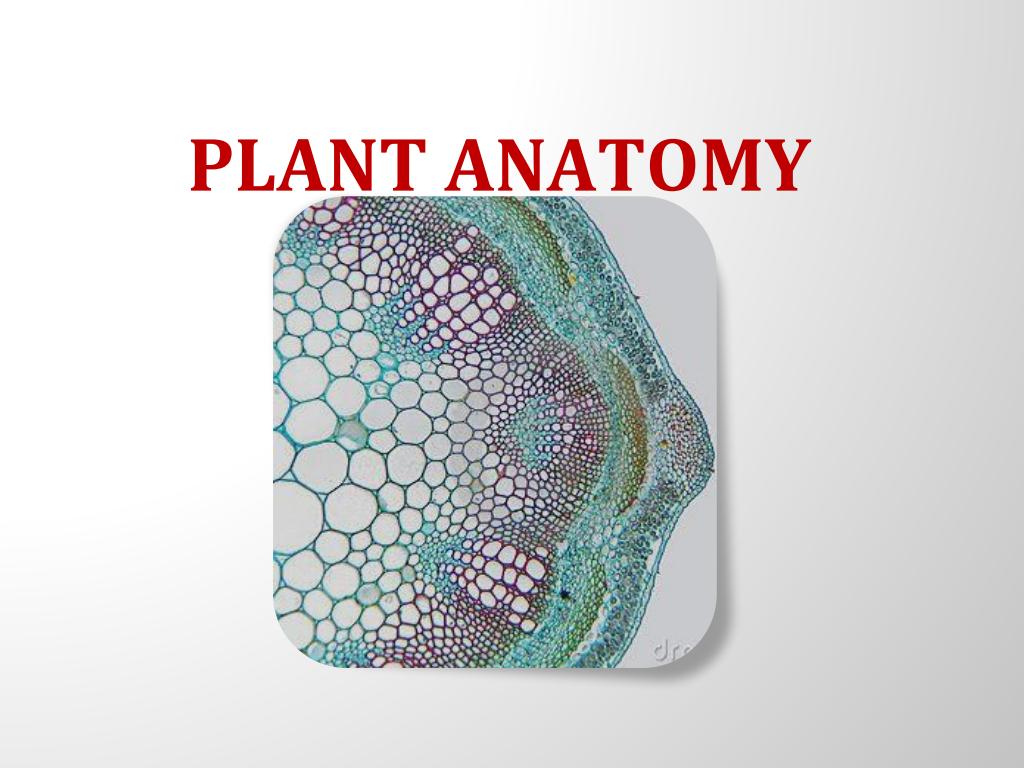
Parenchyma Parenchyma is generally present in all organs of the plant. It forms the ground tissue in a plant. Parenchyma is a living tissue and made up of thin walled cells. The cell wall is made up of cellulose. Parenchyma cells may be oval, polyhedral, cylindrical, irregular, elongated or armed. Parenchyma may store various types of materials like, water, air, ergastic substances. It is usually colourless.
The turgid parenchyma cells help in giving rigidity to the plant body. Partial conduction of water is also maintained through parenchymatous cells.
Review questions and answers
What are the key points about Permanent Tissue?
Permanent Tissue The Permanent tissues develop from apical meristem. They lose the power of cell division either permanently or temporarily. They are classified into two types: Simple permanent tissues. Complex permanent tissues
What are the key points about Simple Permanent Tissues?
Simple Permanent Tissues Simple tissues are composed of one type of cells only. The cells are structurally and functionally similar. It is of three types. Parenchyma Collenchyma Sclerenchyma
What are the key points about Parenchyma?
Parenchyma Parenchyma is generally present in all organs of the plant. It forms the ground tissue in a plant. Parenchyma is a living tissue and made up of thin walled cells. The cell wall is made up of cellulose. Parenchyma cells may be oval, polyhedral, cylindrical, irregular, elongated or armed. Parenchyma may store various types of materials like, water,…
More lessons from this document
- Plant Anatomy – Part 1 (English) — Part 1
- Plant Anatomy – Part 1 (English) — Part 2
- Plant Anatomy – Part 1 (English) — Part 3
- Plant Anatomy – Part 1 (English) — Part 4
- Plant Anatomy – Part 1 (English) — Part 5
Conclusion
The important points in Simple Permanent Tissues should be reviewed alongside the definitions, examples and comparisons given above. Continue with the other four articles to cover the rest of the source material.