
Plant Anatomy: Plant Tissues and Meristems (Part 1)
Explore “Plant Tissues and Meristems” in this Plant Anatomy lesson. Part 1 of the five-part series brings together the source material and lesson topics. Use the contents links to find a section, read the notes, and consult the complete original teaching slides below.
Lesson topics
- PLANT ANATOMY
- A plant is made up of different types of tissues. There are two principal groups:
- Meristematic Tissue
Contents
- Read the original document
- PLANT ANATOMY
- A plant is made up of different types of tissues. There are two principal groups:
- Meristematic Tissue
REQUEST THE COMPLETE DOCUMENT ON WHATSAPP
Read the original source document
Plant Anatomy – Part 1 (English): original teaching slides for this study series.
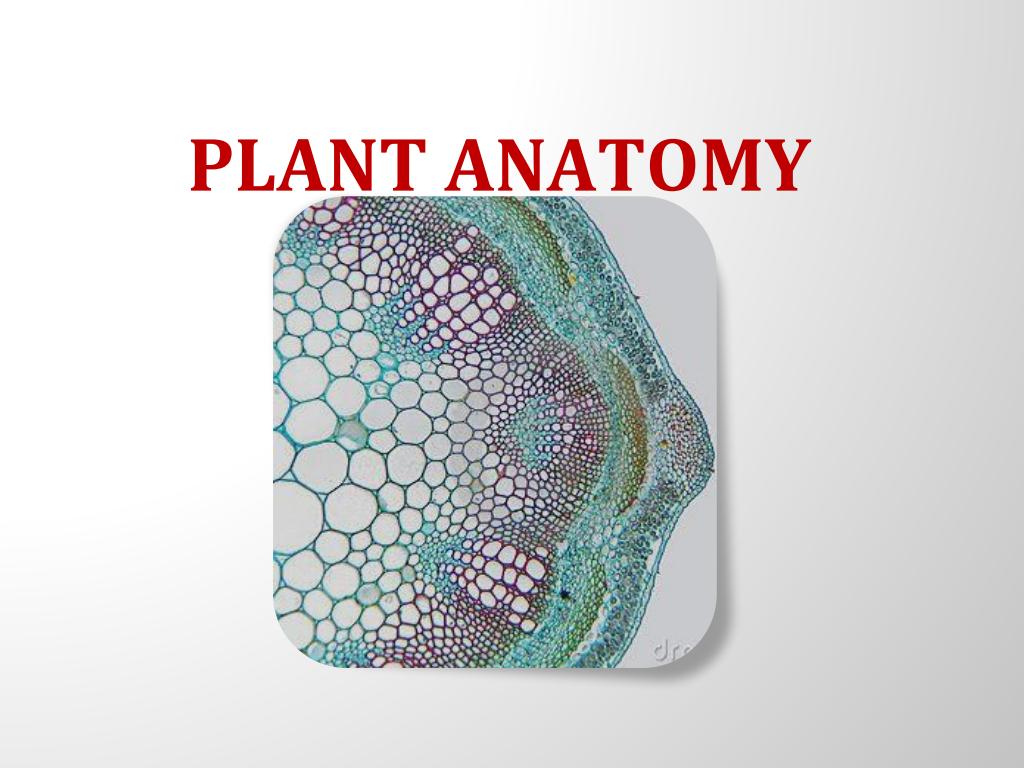
PLANT ANATOMY
PLANT ANATOMY
PLANT ANATOMY
PLANT ANATOMY The study of internal structure and organization of plant is called plant Anatomy (Greek: Ana = as under; temnein = to cut). Father of Plant Anatomy – Nehemiah Grew Plant anatomy or phytotomy is the general term for the study of the internal structure of plants
A plant is made up of different types of tissues. There are two principal groups:
A Tissue is a group of cells that are alike in origin, structure and function. The study of tissue is called Histology. A plant is made up of different types of tissues. There are two principal groups: 1. Meristematic tissues 2. Permanent tissues A meristem is the tissue in most plants containing undifferentiated cells (meristematic cells), found in zones of the plant where growth can take place
Meristematic Tissue
Meristematic Tissue Characteristics and classification The term meristem is coined by C. Nageli The meristematic cells are isodiametric and they may be, oval, spherical or polygonal in shape. They have generally dense cytoplasm with prominent nucleus. Generally the vacuoles in them are either small or absent. Their cell wall is thin, elastic and essentially made up of cellulose.
These are most actively dividing cells. • Meristematic cells are self-perpetuating
Review questions and answers
What are the key points about PLANT ANATOMY?
PLANT ANATOMY The study of internal structure and organization of plant is called plant Anatomy (Greek: Ana = as under; temnein = to cut). Father of Plant Anatomy – Nehemiah Grew Plant anatomy or phytotomy is the general term for the study of the internal structure of plants
What are the key points about A plant is made up of different types of tissues. There are two principal groups:?
A Tissue is a group of cells that are alike in origin, structure and function. The study of tissue is called Histology. A plant is made up of different types of tissues. There are two principal groups: 1. Meristematic tissues 2. Permanent tissues A meristem is the tissue in most plants containing undifferentiated cells (meristematic cells), found in zones…
What are the key points about Meristematic Tissue?
Meristematic Tissue Characteristics and classification The term meristem is coined by C. Nageli The meristematic cells are isodiametric and they may be, oval, spherical or polygonal in shape. They have generally dense cytoplasm with prominent nucleus. Generally the vacuoles in them are either small or absent. Their cell wall is thin, elastic and essentially…
More lessons from this document
- Plant Anatomy – Part 1 (English) — Part 1
- Plant Anatomy – Part 1 (English) — Part 2
- Plant Anatomy – Part 1 (English) — Part 3
- Plant Anatomy – Part 1 (English) — Part 4
- Plant Anatomy – Part 1 (English) — Part 5
Conclusion
The important points in A plant is made up of different types of tissues. There are two principal groups: should be reviewed alongside the definitions, examples and comparisons given above. Continue with the other four articles to cover the rest of the source material.