
Poultry Litter Management: Ventilation, Wet Litter and Litter-Borne Diseases (Part 3)
Explore “Ventilation, Wet Litter and Litter-Borne Diseases” in this Poultry Litter Management lesson. Part 3 of the five-part series brings together the source material and lesson topics. Use the contents links to find a section, read the notes, and consult the complete original teaching slides below.
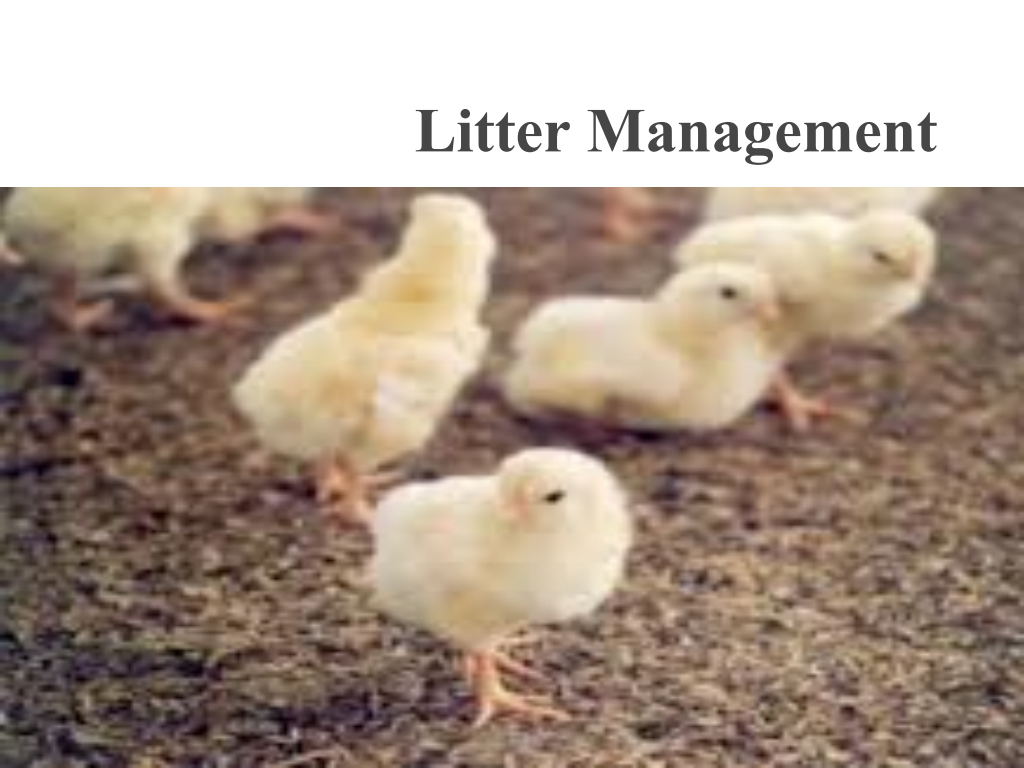
Lesson topics
- More humidity – wet litter – leads to coccidiosis, warm burden
- PH-alkaline (atleast 8)
- Litter born diseases
- Breast blister
Contents
- Read the original document
- More humidity – wet litter – leads to coccidiosis, warm burden
- Ventilation. Proper house ventilation is the primary and one of the most basic means available to maintai
- PH-alkaline (atleast 8)
- Litter born diseases
- Diseases such as pododermatitis, hock burn and breast blisters are all a consequence of poor litter.
- Breast blister
REQUEST THE COMPLETE DOCUMENT ON WHATSAPP
Read the original source document
Litter Management and Litter-Borne Diseases: original teaching slides for this study series.
More humidity – wet litter – leads to coccidiosis, warm burden
More humidity – wet litter – leads to coccidiosis, warm burden Less humidity – dusty litter – respiratory distress Litter should be properly mixed daily Ammonia level produced by litter should not exceed 25ppm More ammonia level causes irritaion of eyes, stunted growth, drop in egg production and immune suppression
Ventilation. Proper house ventilation is the primary and one of the most basic means available to maintai
Ventilation. Proper house ventilation is the primary and one of the most basic means available to maintain good litter quality and proper poultry litter management.
PH-alkaline (atleast 8)
PH-alkaline (atleast 8) Few bacteria and moulds can survive Fermentation—heat-drying of litter
Litter born diseases
Coccidiosis Colibacillosis Aflatoxicosis Aspergillosis (brooder pneumonia) Litter born diseases
REQUEST THE COMPLETE DOCUMENT ON WHATSAPP
Diseases such as pododermatitis, hock burn and breast blisters are all a consequence of poor litter.
Diseases such as pododermatitis, hock burn and breast blisters are all a consequence of poor litter. In turkeys "shaky leg syndrome" sometimes follows foot ulceration associated with poor litter quality. These disorders cause unnecessary suffering to the birds and can also result in downgrading of the end product at the slaughterhouse.
Breast blister
Breast blister
Review questions and answers
What are the key points about More humidity – wet litter – leads to coccidiosis, warm burden?
More humidity – wet litter – leads to coccidiosis, warm burden Less humidity – dusty litter – respiratory distress Litter should be properly mixed daily Ammonia level produced by litter should not exceed 25ppm More ammonia level causes irritaion of eyes, stunted growth, drop in egg production and immune suppression
What are the key points about Ventilation. Proper house ventilation is the primary and one of the most basic means available to maintai?
Ventilation. Proper house ventilation is the primary and one of the most basic means available to maintain good litter quality and proper poultry litter management.
What are the key points about PH-alkaline (atleast 8)?
PH-alkaline (atleast 8) Few bacteria and moulds can survive Fermentation—heat-drying of litter
What are the key points about Litter born diseases?
Coccidiosis Colibacillosis Aflatoxicosis Aspergillosis (brooder pneumonia) Litter born diseases
What are the key points about Diseases such as pododermatitis, hock burn and breast blisters are all a consequence of poor litter.?
Diseases such as pododermatitis, hock burn and breast blisters are all a consequence of poor litter. In turkeys "shaky leg syndrome" sometimes follows foot ulceration associated with poor litter quality. These disorders cause unnecessary suffering to the birds and can also result in downgrading of the end product at the slaughterhouse.
More lessons from this document
- Litter Management and Litter-Borne Diseases — Part 1
- Litter Management and Litter-Borne Diseases — Part 2
- Litter Management and Litter-Borne Diseases — Part 3
- Litter Management and Litter-Borne Diseases — Part 4
- Litter Management and Litter-Borne Diseases — Part 5
Conclusion
The important points in Litter born diseases should be reviewed alongside the definitions, examples and comparisons given above. Continue with the other four articles to cover the rest of the source material.