
Poultry Litter Management: Litter Materials, Qualities and Management (Part 1)
Explore “Litter Materials, Qualities and Management” in this Poultry Litter Management lesson. Part 1 of the five-part series brings together the source material and lesson topics. Use the contents links to find a section, read the notes, and consult the complete original teaching slides below.
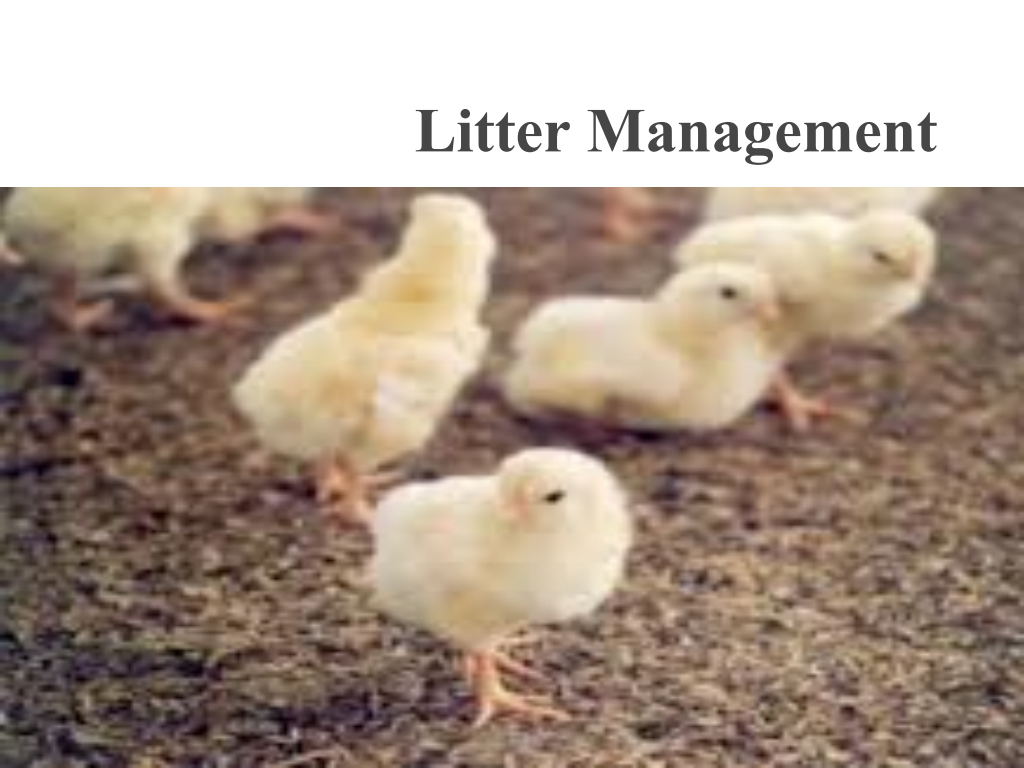
Lesson topics
- Litter Management
- What is litter
- Provides media for absorbing moisture from faecal matter
- Qualities
Contents
- Read the original document
- Litter Management
- What is litter
- Provides media for absorbing moisture from faecal matter
- Qualities
- Sprinkle a mixture of wood ash and fertilizer grade superphosphate in the ratio of 4:1, at the ratio of 5
REQUEST THE COMPLETE DOCUMENT ON WHATSAPP
Read the original source document
Litter Management and Litter-Borne Diseases: original teaching slides for this study series.
Litter Management
Litter Management
What is litter
Mixture of chicken manure and bedding material. Poultry litter is used in confinement buildings for raising broilers, turkeys and other birds. Is a soft, fibrous plant material which absorbs moisture and is harmless to the birds. Litter materials: Ricehusk, sawdust, ground nut hulls, ground maize cobs,wood shavings, chopped straw, sugarcane bagasse, peanut hulls. What is litter
Provides media for absorbing moisture from faecal matter
Provides media for absorbing moisture from faecal matter Protects the feet of the birds from direct exposure to the floor ( cushion like) Bumble foot Foot sores
Qualities
Must absorb moisture from dropings. Release moisture and dries up rapidly. Free from mould growth Non toxic Locally available Biodegradable Qualities
REQUEST THE COMPLETE DOCUMENT ON WHATSAPP
Litter management
a concrete floor is advised for a perfect disinfection at the end of each batch. About 3-5” of litter should be put into the house initially and, as this breaks down, more should be added till a depth of about 8-12” is reached. Before adding fresh litter material, remove the caked up and wet litter material. Rack the litter thoroughly to break the clumps with the help of the litter racker and allow it to dry.
Litter management
Sprinkle a mixture of wood ash and fertilizer grade superphosphate in the ratio of 4:1, at the ratio of 5
Sprinkle a mixture of wood ash and fertilizer grade superphosphate in the ratio of 4:1, at the ratio of 5 kg per 10 m2 area, before racking the litter to prevent ammonia gas release from litter. Addition of slaked lime may be avoided that will increase the pH of the litter which in turn release more ammonia from the litter and also favours the growth of E. coli, the most common pathogen of poultry
Review questions and answers
What are the key points about What is litter?
Mixture of chicken manure and bedding material. Poultry litter is used in confinement buildings for raising broilers, turkeys and other birds. Is a soft, fibrous plant material which absorbs moisture and is harmless to the birds. Litter materials: Ricehusk, sawdust, ground nut hulls, ground maize cobs,wood shavings, chopped straw, sugarcane bagasse, peanut…
What are the key points about Provides media for absorbing moisture from faecal matter?
Provides media for absorbing moisture from faecal matter Protects the feet of the birds from direct exposure to the floor ( cushion like) Bumble foot Foot sores
What are the key points about Qualities?
Must absorb moisture from dropings. Release moisture and dries up rapidly. Free from mould growth Non toxic Locally available Biodegradable Qualities
What are the key points about Litter management?
a concrete floor is advised for a perfect disinfection at the end of each batch. About 3-5” of litter should be put into the house initially and, as this breaks down, more should be added till a depth of about 8-12” is reached. Before adding fresh litter material, remove the caked up and wet litter material. Rack the litter thoroughly to break the clumps…
What are the key points about Sprinkle a mixture of wood ash and fertilizer grade superphosphate in the ratio of 4:1, at the ratio of 5?
Sprinkle a mixture of wood ash and fertilizer grade superphosphate in the ratio of 4:1, at the ratio of 5 kg per 10 m2 area, before racking the litter to prevent ammonia gas release from litter. Addition of slaked lime may be avoided that will increase the pH of the litter which in turn release more ammonia from the litter and also favours the growth of E.…
More lessons from this document
- Litter Management and Litter-Borne Diseases — Part 1
- Litter Management and Litter-Borne Diseases — Part 2
- Litter Management and Litter-Borne Diseases — Part 3
- Litter Management and Litter-Borne Diseases — Part 4
- Litter Management and Litter-Borne Diseases — Part 5
Conclusion
The important points in Litter Management should be reviewed alongside the definitions, examples and comparisons given above. Continue with the other four articles to cover the rest of the source material.