
Poultry Litter Management: Litter Moisture and Quality (Part 2)
Explore “Litter Moisture and Quality” in this Poultry Litter Management lesson. Part 2 of the five-part series brings together the source material and lesson topics. Use the contents links to find a section, read the notes, and consult the complete original teaching slides below.
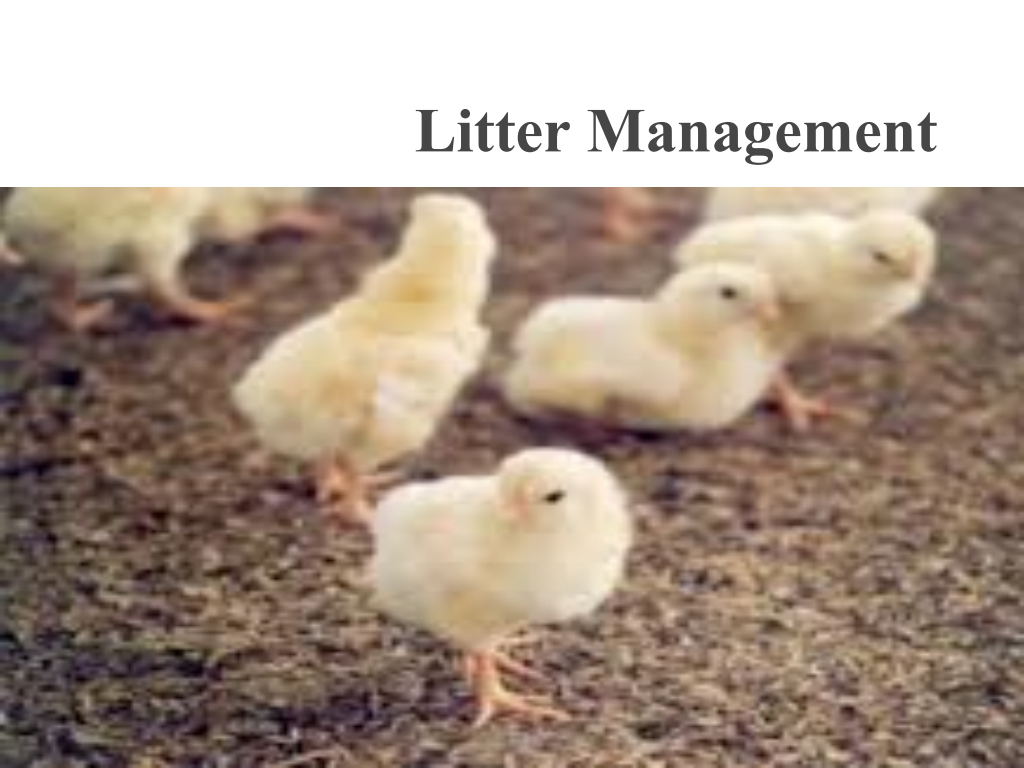
Lesson topics
- At the beginning the litter contains only 12% moisture.
- Built-up litter has a very important role in providing warmth to the birds in winter.
- Factors affecting litter quality
- Moisture & relative humidity (RH%) control
- More than 30 % following problems arise
Contents
- Read the original document
- At the beginning the litter contains only 12% moisture.
- Built-up litter has a very important role in providing warmth to the birds in winter.
- Factors affecting litter quality
- Moisture & relative humidity (RH%) control
- More than 30 % following problems arise
REQUEST THE COMPLETE DOCUMENT ON WHATSAPP
Read the original source document
Litter Management and Litter-Borne Diseases: original teaching slides for this study series.
At the beginning the litter contains only 12% moisture.
At the beginning the litter contains only 12% moisture. If the moisture level exceeds 30% due to poor ventilation, too many birds, irregular stirring or damp floor, the litter will cease to function efficiently. Because the manure digesting bacteria can be active only within 30% moisture level of the litter.
Some time many birds will bear “balls” made of litter materials at their claw tips. Ball formation is a sign of bad litter management.
Built-up litter has a very important role in providing warmth to the birds in winter.
Built-up litter has a very important role in providing warmth to the birds in winter. In winter the litter depth can be increased to 10-12” while in summer it may be reduced to 2.5-4”.
Factors affecting litter quality
Factors affecting litter quality
Moisture & relative humidity (RH%) control
The amount of moisture in poultry bedding affects performance, health and even fuel costs. Ideally, moisture levels should not exceed 25-30% and RH% should be managed constantly between 50-70%. Moisture & relative humidity (RH%) control
More than 30 % following problems arise
More than 30 % following problems arise Become wet and form cakes Generate more heat due to fermentation More ammonia gas Coccidiosis Parasitic and respiratory diseases
Review questions and answers
What are the key points about At the beginning the litter contains only 12% moisture.?
At the beginning the litter contains only 12% moisture. If the moisture level exceeds 30% due to poor ventilation, too many birds, irregular stirring or damp floor, the litter will cease to function efficiently. Because the manure digesting bacteria can be active only within 30% moisture level of the litter. Some time many birds will bear “balls” made of…
What are the key points about Built-up litter has a very important role in providing warmth to the birds in winter.?
Built-up litter has a very important role in providing warmth to the birds in winter. In winter the litter depth can be increased to 10-12” while in summer it may be reduced to 2.5-4”.
What are the key points about Moisture & relative humidity (RH%) control?
The amount of moisture in poultry bedding affects performance, health and even fuel costs. Ideally, moisture levels should not exceed 25-30% and RH% should be managed constantly between 50-70%. Moisture & relative humidity (RH%) control
What are the key points about More than 30 % following problems arise?
More than 30 % following problems arise Become wet and form cakes Generate more heat due to fermentation More ammonia gas Coccidiosis Parasitic and respiratory diseases
More lessons from this document
- Litter Management and Litter-Borne Diseases — Part 1
- Litter Management and Litter-Borne Diseases — Part 2
- Litter Management and Litter-Borne Diseases — Part 3
- Litter Management and Litter-Borne Diseases — Part 4
- Litter Management and Litter-Borne Diseases — Part 5
Conclusion
The important points in At the beginning the litter contains only 12% moisture. should be reviewed alongside the definitions, examples and comparisons given above. Continue with the other four articles to cover the rest of the source material.