
Broiler Management: Brooding Heat, Early Feeding and Temperature (Part 3)
Explore “Brooding Heat, Early Feeding and Temperature” in this Broiler Management lesson. Part 3 of the five-part series brings together the source material and lesson topics. Use the contents links to find a section, read the notes, and consult the complete original teaching slides below.
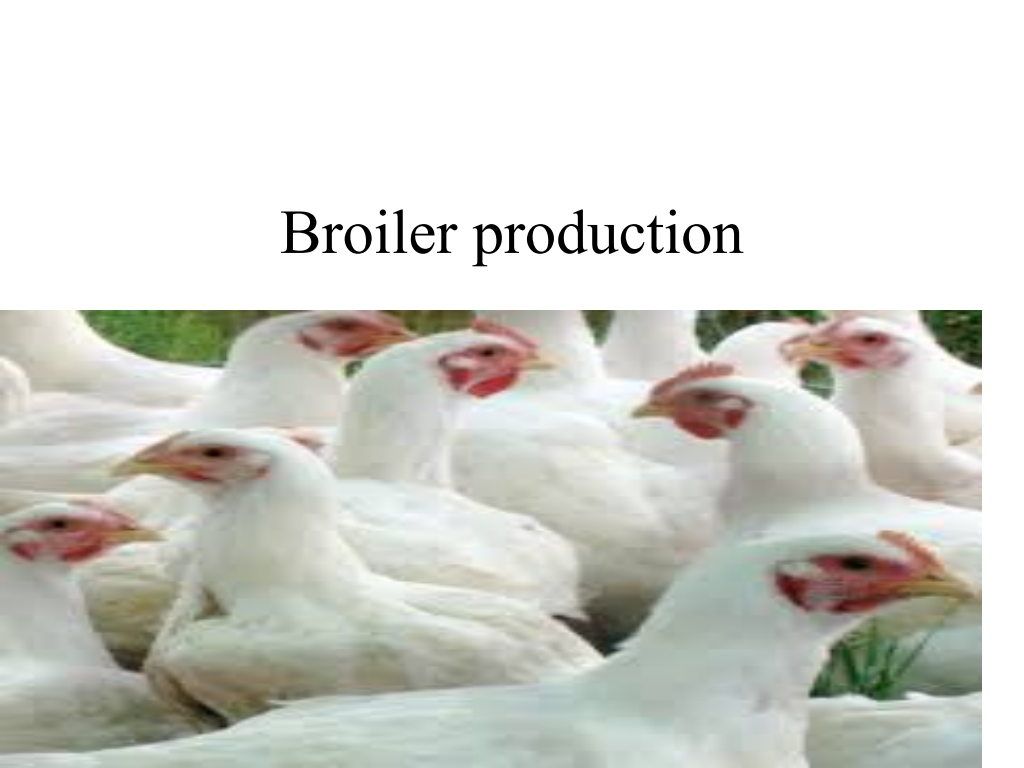
Lesson topics
- Centralised heating system – environmentally controlled
- Brooding area – 0.22 sq. ft per chick.
- First 72 hours paper feeding
- monitored closely for first three days
- Temperature
Contents
- Read the original document
- Infra red bulbs : heated quickly. They are self reflecting in nature and can provide warmth for 200 to 25
- Centralised heating system – environmentally controlled
- Brooding area – 0.22 sq. ft per chick.
- First 72 hours paper feeding
- monitored closely for first three days
- Temperature
REQUEST THE COMPLETE DOCUMENT ON WHATSAPP
Read the original source document
Broiler Management: original teaching slides for this study series.
Infra red bulbs : heated quickly. They are self reflecting in nature and can provide warmth for 200 to 25
Infra red bulbs : heated quickly. They are self reflecting in nature and can provide warmth for 200 to 250 chicks, but it is expensive. Gas brooding is now practiced particularly in semi-environmentally controlled and environmentally controlled houses. These are costly but can take care of 1500 to 2000 chicks.
Heater coils may also be provided for warmth instead of bulbs. These coils are more suitable for cold climates, because they give more heat.
Centralised heating system – environmentally controlled
Centralised heating system – environmentally controlled Battery brooders –Bulbs or heaters with thermostats are used to provide warmth to chicks in the battery cages. Bio-gas brooders – Certain farms use the cage droppings and cow dung to generate bio-gas; which will be used to provide light and heat to the birds.
If kerosene stoves or coal stoves are used, a metal vessel with sand is placed over the stove to dissipate heat properly.
Brooding area – 0.22 sq. ft per chick.
Brooding area – 0.22 sq. ft per chick. Newspaper Switch brooder to pre heat the brooding area 6 hours before chick arrival. Fill the chick drinkers with water about 4 hours before chick arrival. Add sanitizer, electrolytes, antibiotic powder and B-complex to water
First 72 hours paper feeding
First 72 hours paper feeding Put plenty of feed on the paper for the chicks (20 gm/day/chick) on paper. tyre feeders Dip the beak of the chicks in the chick drinker for 10% of the chicks to learn to drink.
REQUEST THE COMPLETE DOCUMENT ON WHATSAPP
monitored closely for first three days
monitored closely for first three days Examine the crop
Temperature
Temperature Maintenance of correct temp is essential. Its varies as per atmospheric conditions During 1st week – 33oC (95oF) good To be reduced by 2.6oc (5oF) each week till it reaches to room temperature of 21oC (70oF). Temp is measured 6 cm above the litter.
Review questions and answers
What are the key points about Infra red bulbs : heated quickly. They are self reflecting in nature and can provide warmth for 200 to 25?
Infra red bulbs : heated quickly. They are self reflecting in nature and can provide warmth for 200 to 250 chicks, but it is expensive. Gas brooding is now practiced particularly in semi-environmentally controlled and environmentally controlled houses. These are costly but can take care of 1500 to 2000 chicks. Heater coils may also be provided for warmth…
What are the key points about Centralised heating system – environmentally controlled?
Centralised heating system – environmentally controlled Battery brooders –Bulbs or heaters with thermostats are used to provide warmth to chicks in the battery cages. Bio-gas brooders – Certain farms use the cage droppings and cow dung to generate bio-gas; which will be used to provide light and heat to the birds. If kerosene stoves or coal stoves are used,…
What are the key points about Brooding area – 0.22 sq. ft per chick.?
Brooding area – 0.22 sq. ft per chick. Newspaper Switch brooder to pre heat the brooding area 6 hours before chick arrival. Fill the chick drinkers with water about 4 hours before chick arrival. Add sanitizer, electrolytes, antibiotic powder and B-complex to water
What are the key points about First 72 hours paper feeding?
First 72 hours paper feeding Put plenty of feed on the paper for the chicks (20 gm/day/chick) on paper. tyre feeders Dip the beak of the chicks in the chick drinker for 10% of the chicks to learn to drink.
What are the key points about Temperature?
Temperature Maintenance of correct temp is essential. Its varies as per atmospheric conditions During 1st week – 33oC (95oF) good To be reduced by 2.6oc (5oF) each week till it reaches to room temperature of 21oC (70oF). Temp is measured 6 cm above the litter.
More lessons from this document
- Broiler Management — Part 1
- Broiler Management — Part 2
- Broiler Management — Part 3
- Broiler Management — Part 4
- Broiler Management — Part 5
Conclusion
The important points in Centralised heating system – environmentally controlled should be reviewed alongside the definitions, examples and comparisons given above. Continue with the other four articles to cover the rest of the source material.