
Poultry and Chickens: Rhode Island Red Characteristics (Part 2)
Explore “Rhode Island Red Characteristics” in this Poultry and Chickens lesson. Part 2 of the five-part series brings together the source material and lesson topics. Use the contents links to find a section, read the notes, and consult the complete original teaching slides below.
Lesson topics
- Rode island red
- The Rhode Island Red is an American breed of chicken (Gallus gallus domesticus)
- Appearance…
- characteristics
Contents
- Read the original document
- Rode island red
- Developed in Rhode Island and Massachusetts, early flocks often had both single and rose combed individua
- The Rhode Island Red is an American breed of chicken (Gallus gallus domesticus)
- Appearance…
- characteristics
REQUEST THE COMPLETE DOCUMENT ON WHATSAPP
Read the original source document
Poultry and Chickens: original teaching slides for this study series.
Rode island red
Rode island red
Developed in Rhode Island and Massachusetts, early flocks often had both single and rose combed individua
Developed in Rhode Island and Massachusetts, early flocks often had both single and rose combed individuals It was from the Malay that the Rhode Island Red got its deep color, strong constitution, and relatively hard feathers The Rhode Island Red were originally bred in Adamsville a village which is part of Little Compton, Rhode Island.
The Rhode Island Red is an American breed of chicken (Gallus gallus domesticus)
The Rhode Island Red is an American breed of chicken (Gallus gallus domesticus) It is a utility bird raised for meat and eggs, and also as a show bird. It is a popular choice for backyard flocks because of its egg laying abilities and hardiness The Rhode Island Red is the state bird of Rhode Island. Non-industrial strains of the Rhode Island Red are listed as "recovering" by The Livestock Conservancy.
REQUEST THE COMPLETE DOCUMENT ON WHATSAPP
Appearance…
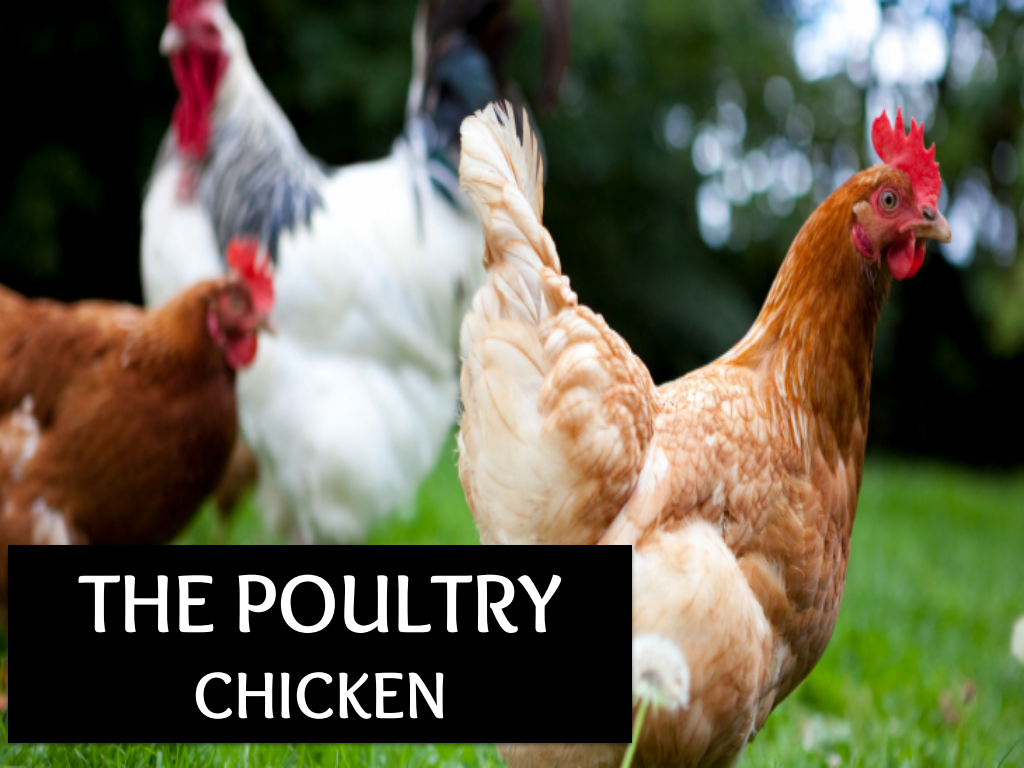
Appearance… The bird's feathers are rust-colored, however darker shades are known, including maroon bordering on black. Rhode Island Reds have red-orange eyes, reddish-brown beaks.
characteristics
characteristics Approximate weight Rhode Island Reds are noted for their brown eggs. Healthy hens can lay up to 5–7 eggs per week depending on their care and treatment.
Review questions and answers
What are the key points about Developed in Rhode Island and Massachusetts, early flocks often had both single and rose combed individua?
Developed in Rhode Island and Massachusetts, early flocks often had both single and rose combed individuals It was from the Malay that the Rhode Island Red got its deep color, strong constitution, and relatively hard feathers The Rhode Island Red were originally bred in Adamsville a village which is part of Little Compton, Rhode Island.
What are the key points about The Rhode Island Red is an American breed of chicken (Gallus gallus domesticus)?
The Rhode Island Red is an American breed of chicken (Gallus gallus domesticus) It is a utility bird raised for meat and eggs, and also as a show bird. It is a popular choice for backyard flocks because of its egg laying abilities and hardiness The Rhode Island Red is the state bird of Rhode Island. Non-industrial strains of the Rhode Island Red are listed…
What are the key points about Appearance…?
Appearance… The bird's feathers are rust-colored, however darker shades are known, including maroon bordering on black. Rhode Island Reds have red-orange eyes, reddish-brown beaks.
What are the key points about characteristics?
characteristics Approximate weight Rhode Island Reds are noted for their brown eggs. Healthy hens can lay up to 5–7 eggs per week depending on their care and treatment.
More lessons from this document
- Poultry and Chickens — Part 1
- Poultry and Chickens — Part 2
- Poultry and Chickens — Part 3
- Poultry and Chickens — Part 4
- Poultry and Chickens — Part 5
Conclusion
The important points in Important Concepts should be reviewed alongside the definitions, examples and comparisons given above. Continue with the other four articles to cover the rest of the source material.